Christmas Pray: Elevating Holiday Design with Modern Elegance
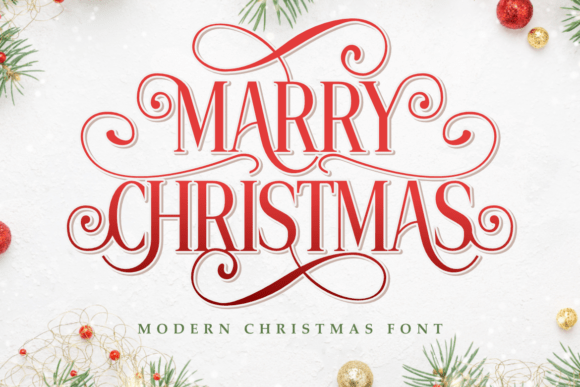
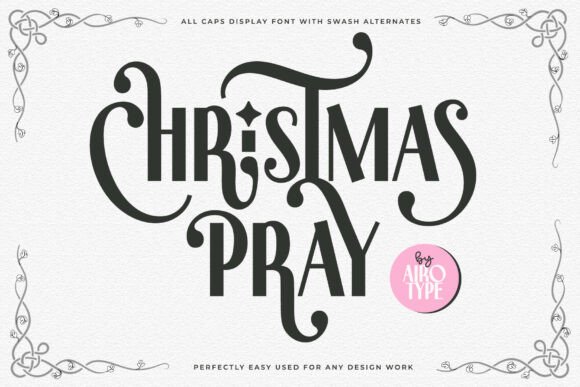
When the holiday season approaches, designers and creators often find themselves searching for a typeface that balances festive cheer with sophisticated style. Christmas Pray emerges as a standout choice in this crowded market, offering an all-caps display font that captures a modern and elegant vibe without falling into cliché. Unlike traditional serif fonts that can feel heavy or overly ornate, Christmas Pray delivers a clean structure enhanced by subtle, artistic flourishes. However, simply downloading the file is rarely enough to unlock its full potential. Many users miss the hidden depth of the design because they do not know how to access the extra alternate glyphs and swashes that define its character.
Understanding the Unique Appeal of Christmas Pray
The primary reason professionals and hobbyists alike are drawn to Christmas Pray is its versatility within specific aesthetic niches. It is designed specifically for projects requiring a "modern swirl touch." This makes it an ideal candidate for logo design, wedding invitations, crafting projects, posters, branding materials, stickers, sublimation prints, and inspirational quotes. The font's architecture supports readability even at larger sizes, while its decorative elements add just enough personality to stand out on social media graphics or physical merchandise.
What sets this typeface apart from generic free alternatives is the inclusion of extensive alternate characters. These are not merely different letter shapes; they are carefully crafted swashes and ligatures intended to connect words and create fluid visual lines. When used correctly, these features transform a standard text block into a cohesive piece of art. The font is built to be a statement maker, suitable for both digital displays and high-resolution print applications where detail matters.
Common Pitfalls: Missing the Hidden Details
A frequent mistake made by beginners and even some experienced designers is treating Christmas Pray like a standard sans-serif font. Users often type their text, hit save, and move on, completely unaware that the font contains a library of special characters that remain invisible in default typing modes. This oversight results in designs that look flat and generic, failing to leverage the very features that justify the purchase or download.
The consequence of ignoring these alternates is a significant drop in visual quality. A wedding invitation or a brand logo created without utilizing the available swashes may appear disconnected and amateurish compared to one that uses them to weave letters together. In professional settings, this lack of attention to detail can undermine the perceived value of the entire project. Furthermore, attempting to manually draw curves or add decorations using vector software to mimic the font's intent is inefficient and often yields inferior results compared to using the built-in glyphs.
Why Default Typing Fails
Most design software defaults to the standard Unicode mapping, which only includes the basic alphabet. Unless the user explicitly navigates to the advanced character selection tools, the fancy 'A' or the swashy 'T' will never appear. This is not a flaw in the font but a feature of how operating systems handle typefaces. Relying solely on the keyboard layout limits the creative output to a fraction of what Christmas Pray offers. To get the modern, elegant look promised by the font's description, one must actively engage with the font's extended capabilities.
Unlocking the Full Potential on Your System
To avoid the common pitfall of underutilization, it is essential to know exactly how to access the extra glyphs based on your operating system. The process differs slightly between macOS and Windows, but both methods allow you to browse the complete character set.
Accessing Glyphs on Mac
If you are working on a Mac, the tool you need is Font Book. This application is pre-installed on macOS and serves as the central hub for managing and viewing typefaces. Once you have installed Christmas Pray, open Font Book and locate the font in your list. Select it and click on the "Show Info" button or double-click to view the glyph palette. Here, you can see every alternate character, including the decorative swashes. You can then copy the desired character and paste it directly into your design software like Adobe Illustrator, Photoshop, or Canva.
Accessing Glyphs on Windows
For Windows users, the equivalent tool is the Character Map utility found in the Universal Windows Platform (UWP). After installing the font, search for "Character Map" in the Start menu. Select Christmas Pray from the font dropdown list. The grid will populate with all available characters. Click on any alternate glyph or swash to highlight it, then click "Select" and "Copy." Just like on Mac, you can now paste these specialized characters into your document. Some advanced design software also has a built-in "Glyphs" panel that functions similarly, allowing for direct insertion without leaving the workspace.
Strategic Application in Real-World Projects
Knowing how to access the glyphs is only half the battle; knowing when to use them is equally important. Overusing swashes can clutter a design, making it difficult to read. The key to mastering Christmas Pray lies in restraint and strategic placement.
- Logos and Branding: Use the swashes to connect initials or frame the company name. For example, a long descender on a lowercase 'y' might wrap around a circular icon, creating a unified mark.
- Wedding Invitations: Apply alternates to the couple's names to make them stand out, while keeping the event details in the standard characters for clarity.
- Stickers and Sublimation: Since these items are often viewed up close, the intricate details of the alternate glyphs shine. Ensure your resolution is high enough to render the fine lines of the swashes clearly.
- Social Media Quotes: Highlight key words in a quote using the decorative versions to draw the eye and break up the monotony of the all-caps format.
Evaluating Quality Before You Commit
Before integrating Christmas Pray into a major project, take time to evaluate the font files thoroughly. Check the license agreement to ensure your intended use—whether commercial, personal, or for resale—is permitted. Many designers overlook licensing restrictions until after they have invested time in a design, leading to costly legal issues or forced redesigns.
Additionally, test the font across different mediums. A font that looks stunning on a high-resolution monitor might lose definition when printed on a small sticker or sublimated onto fabric. Print a sample sheet containing both standard and alternate characters to inspect the stroke weights and spacing. If the swashes appear too thin or the kerning feels off at smaller sizes, you may need to adjust the scale or limit the use of complex alternates to larger headlines only.
Final Thoughts on Design Efficiency
Avoiding the trap of superficial usage ensures that Christmas Pray delivers the modern, elegant impact you expect. By taking the time to explore the Font Book on Mac or Character Map on PC, you unlock a level of customization that elevates your work above the competition. Whether you are crafting a holiday greeting, designing a wedding suite, or building a brand identity, the difference between a good design and a great one often comes down to these nuanced details. Embrace the full toolkit provided by the font, apply it with intention, and let the unique swirls and alternates bring your creative vision to life.