Dream Vintage: A Practical Evaluation of Retro Script Typography
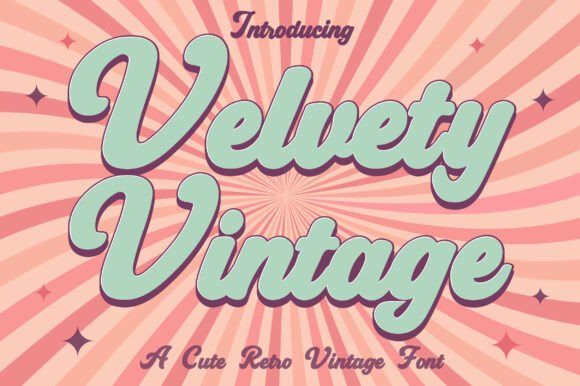
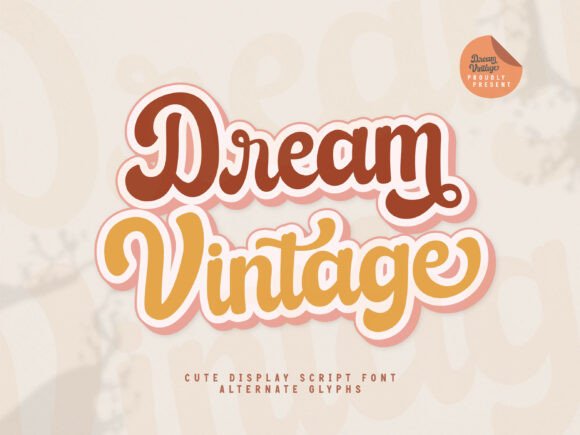
In the landscape of digital design, few aesthetic movements hold as much enduring appeal as the mid-century revival. The desire to evoke nostalgia, warmth, and a sense of curated history has driven many creators to seek typefaces that balance legibility with distinct character. Dream Vintage emerges as a significant contender in this niche, positioning itself not merely as a decorative script but as a functional tool for branding and storytelling. As a "cute display script font," it offers thick, pillowy letterforms and smooth, flowing curves that radiate a cozy, retro aesthetic. However, beyond the initial visual charm lies a deeper question of utility: does this typeface hold up under the scrutiny of professional application? This evaluation examines the practical value, versatility, and technical execution of Dream Vintage for designers, entrepreneurs, and content creators.
Defining the Aesthetic: Form and Function
The primary strength of Dream Vintage lies in its specific geometric construction. Unlike traditional cursive scripts that rely on thin, hairline strokes which can struggle with digital rendering at small sizes, Dream Vintage utilizes bold, rounded forms. These "pillowy" letterforms create a substantial presence on the page or screen, ensuring that the text remains readable even when used in complex compositions. The smooth, flowing curves are not random; they mimic the hand-painted signage and packaging art popular during the golden era of consumer goods. This deliberate stylistic choice allows the font to convey a friendly, approachable vibe without sacrificing structural integrity.
For professionals working in lifestyle sectors, such as boutique bakeries, vintage clothing lines, or wellness brands, the visual weight of Dream Vintage is a critical asset. It commands attention in headers while maintaining a softness that avoids aggression. The font's ability to balance nostalgic flair with a modern, playful twist makes it particularly effective for audiences aged 20 to 50 who appreciate retro aesthetics but demand contemporary polish. It bridges the gap between old-world charm and current design trends, offering a look that feels timeless rather than dated.
Technical Execution and Encoding
A common frustration with display fonts is the complexity of accessing special characters. Many scripts require users to navigate obscure menus or install third-party plugins to unlock swashes and ligatures. Dream Vintage addresses this usability hurdle through PUA (Private Use Area) encoding. This technical feature ensures that all special characters, alternate glyphs, and decorative elements are easily accessible directly within standard design software like Adobe Illustrator, Photoshop, or Canva.
This accessibility is a major factor in the font's long-term value. When a designer can quickly swap a standard "a" for a more elaborate variant without breaking their workflow, the creative process becomes more fluid. The inclusion of these tools within the font file itself suggests a developer who understands the practical needs of the end-user. It reduces friction, allowing creators to focus on composition and messaging rather than troubleshooting font mechanics.
Versatility Across Design Disciplines
The true test of any typeface is its adaptability across different mediums. Dream Vintage demonstrates exceptional versatility, making it a viable option for a wide range of projects. Its application extends far beyond simple headlines, proving effective in branding projects, apparel design, themed stickers, and eye-catching social media graphics.
- Branding and Logos: For small business owners building a brand from scratch, Dream Vintage provides an instant personality. Its unique shapes allow for logo marks that stand out in crowded marketplaces, particularly for businesses aiming for a warm, vintage-inspired identity.
- Apparel and Merchandise: The bold nature of the letterforms translates well to fabric. Whether printed on t-shirts, tote bags, or hats, the font retains its definition and impact. The "cute" aspect of the script appeals strongly to consumers looking for statement pieces with a retro feel.
- Packaging Design: In the realm of product packaging, where shelf presence is paramount, Dream Vintage serves as an evocative header. It pairs beautifully with soft pastel palettes and grainy textures, helping to complete a curated, timeless look that suggests quality and care.
- Digital Content: Bloggers and social media managers can utilize the font to create stunning headers for lifestyle blogs or engaging Instagram stories. The readability of the thick strokes ensures that messages are conveyed clearly even on mobile devices.
Customization Through Alternate Glyphs
One of the most compelling features of Dream Vintage is its library of alternate glyphs. In typography, customization is often the difference between a generic design and a bespoke creation. These unique swashes and character variations allow designers to tweak the rhythm of a word, add emphasis to specific letters, or simply introduce a touch of whimsy.
For example, a brand might use the standard set for body copy consistency but employ a swashed capital "D" and a looped terminal "e" in their logo lockup to create a signature look. This flexibility empowers creators to tailor the typography to their specific project needs, ensuring that the final output feels unique rather than templated. The ability to customize typography with these variations adds a layer of artistic depth that is essential for capturing an audience instantly.
Real-World Performance and Limitations
While Dream Vintage excels in display contexts, it is important to maintain a realistic perspective regarding its limitations. As a display script, it is not intended for large blocks of body text. The intricate curves and varying stroke widths can become difficult to read in paragraph form, especially at smaller point sizes. Professional usage dictates that this font should be reserved for headlines, short phrases, and logos.
Furthermore, the "cute" aesthetic, while charming, may not suit every industry. Brands requiring a stark, minimalist, or highly corporate image would find Dream Vintage incongruous with their messaging. It is best suited for industries that benefit from emotional connection, warmth, and a sense of nostalgia. Marketers must evaluate whether their target demographic aligns with the cozy, retro personality the font projects before committing to it as a primary brand element.
Another consideration is pairing. To maximize effectiveness, Dream Vintage works best when contrasted with clean, sans-serif typefaces. Pairing it with another ornate script can result in visual clutter. However, when combined with simple, geometric sans-serifs, the contrast highlights the unique character of Dream Vintage while ensuring overall legibility. This combination is particularly effective for posters, invitations, and web banners where hierarchy is key.
Strategic Value for Creators and Businesses
For freelancers and serious hobbyists, investing in high-quality assets like Dream Vintage can streamline the production process. The font's reliability and consistent presentation mean less time spent adjusting kerning or fixing rendering issues. The PUA encoding further enhances this efficiency, making it a robust tool for clients who need quick turnarounds without compromising on style.
Entrepreneurs launching new ventures will find that Dream Vintage offers immediate differentiation. In a market saturated with generic digital templates, using a typeface with such distinct character helps establish a memorable brand voice. It signals to the customer that the brand values detail, history, and a human touch. Whether adding a touch of soul to an existing project or building a brand from scratch, the font provides the artistic depth needed to captivate an audience.
Final Assessment
Dream Vintage stands out as a well-engineered typeface that successfully marries aesthetic appeal with practical functionality. Its thick, pillowy forms ensure visibility, while its extensive alternate glyphs offer the customization required for professional branding. While it is not a universal solution for all text needs, its performance in display roles—ranging from social media graphics to product packaging—is exceptional.
For designers seeking to transport their work back to a golden era of charm, Dream Vintage offers a reliable, versatile, and technically sound option. It respects the user's workflow and delivers a consistent, high-quality output that resonates with modern audiences craving retro inspiration. By understanding its strengths and appropriate applications, creators can leverage Dream Vintage to produce work that is both visually striking and strategically effective.