Unlocking Creative Potential with the Bold Bloom Typeface
In the crowded landscape of digital design, typography often serves as the silent ambassador of a brand or project. It is the first thing an audience encounters, setting the tone before a single word is read. Among the myriad options available to designers today, Bold Bloom has emerged as a standout choice for those seeking a balance between structural integrity and organic softness. This font is not merely a collection of characters; it is a design tool that breathes life into static text, offering a unique visual language that resonates with modern audiences.
The Aesthetic Appeal of Soft Strength
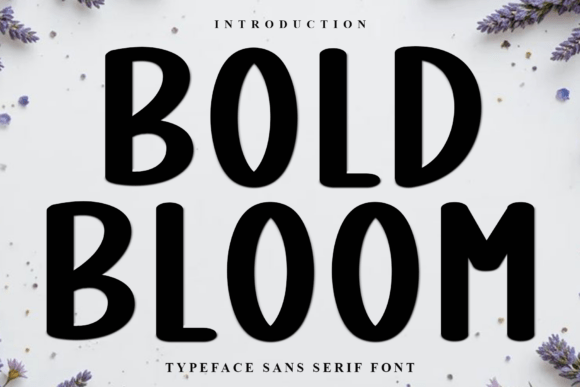
What makes Bold Bloom so captivating is its inherent contradiction: it possesses the weight of a bold typeface while maintaining a delicate, almost floral touch. In traditional typography, "bold" often implies rigidity and harsh edges. However, Bold Bloom subverts this expectation. Its distinctive strokes are crafted with a fluidity that mimics natural forms, giving the letters a special character that feels both grounded and airy.
This soft, unique touch is achieved through careful manipulation of stroke width and curvature. The terminals of the letters do not end abruptly; instead, they taper or swell slightly, creating a sense of movement. This characteristic makes the font particularly meaningful for projects that aim to convey warmth, growth, or approachability without sacrificing readability. Whether used in a headline or a body paragraph, the font manages to hold attention through its subtle elegance rather than aggressive shouting.
Distinctive Strokes and Visual Rhythm
The versatility of Bold Bloom lies in the rhythm created by its various characters. When you look at a string of text set in this typeface, you notice a natural flow that guides the eye smoothly from left to right. The varying thickness of the lines creates a dynamic contrast that adds depth to the design. This is especially beneficial in large-format applications where flat, uniform fonts can sometimes appear dull or monotonous.
Designers often struggle to find a typeface that works well in both serif and sans-serif contexts, but Bold Bloom bridges this gap effectively. Its structure allows it to stand alone as a display font while remaining legible enough for shorter blocks of text. This adaptability ensures that your creative works maintain a cohesive look across different mediums, from social media graphics to printed packaging.
Integrating Bold Bloom into Modern Workflows
Adopting a new font into a professional workflow requires more than just aesthetic appreciation; it demands technical compatibility. One of the most significant advantages of Bold Bloom is its seamless integration with various operating systems and software environments. In an era where cross-platform consistency is crucial, this font stands out for its robust support on Windows and open-source platforms alike.
For designers working within the Adobe Creative Cloud ecosystem, Bold Bloom installs effortlessly, ensuring that kerning and spacing remain consistent across Illustrator, Photoshop, and InDesign. Similarly, users relying on open-source tools like GIMP or Inkscape will find that the font renders accurately without the need for complex workarounds. This universal compatibility means that collaboration becomes smoother, as files can be shared between team members using different hardware and software stacks without fear of font substitution errors.
Compatibility Across Devices and Platforms
The digital age demands that designs translate perfectly from desktop monitors to mobile screens. Bold Bloom is engineered with scalability in mind. Its vector-based construction ensures that the soft curves and distinctive strokes remain crisp regardless of the resolution. This is a critical factor for web designers and app developers who need their typography to look premium on everything from high-density Retina displays to smaller smartphone screens.
Furthermore, the font's encoding supports a wide range of international characters, making it a viable option for global campaigns. While many decorative fonts limit themselves to basic Latin scripts, Bold Bloom offers a comprehensive character set that accommodates diverse linguistic needs. This inclusivity expands the potential reach of your projects, allowing you to communicate effectively with audiences across different regions and cultures.
Practical Applications in Design and Crafts
The true test of any typeface is how it performs in real-world scenarios. Bold Bloom shines in a variety of contexts, proving itself to be a versatile asset for a wide range of products. Its natural font style makes it particularly suited for industries that value authenticity and human connection.
- Brand Identity: For startups in the wellness, lifestyle, or artisanal food sectors, Bold Bloom offers a logo solution that feels handcrafted yet professional. It conveys a message of care and quality immediately.
- Packaging Design: On product labels, the font's soft touch helps differentiate items on a shelf. It draws the consumer in with its inviting appearance, making it ideal for cosmetics, baby products, or organic goods.
- Crafts and DIY Projects: Hobbyists and crafters appreciate the font's ability to add a personal touch to invitations, greeting cards, and scrapbooks. Its unique character elevates handmade items, giving them a polished finish.
- Digital Marketing: In social media posts and email newsletters, Bold Bloom grabs attention without being overwhelming. It is perfect for call-to-action buttons and highlighted quotes.
Enhancing Audience Engagement
When choosing a font, the ultimate goal is to enhance the viewer's experience. Bold Bloom achieves this by reducing visual fatigue. The soft edges and balanced proportions make reading a pleasure, encouraging users to spend more time engaging with the content. This is a subtle but powerful psychological effect; when text looks comfortable, the message is received more positively.
Consider a scenario where a boutique coffee shop wants to redesign its menu. Using a stark, industrial font might clash with the cozy atmosphere of the cafe. By switching to Bold Bloom, the menu instantly reflects the warmth of the environment, reinforcing the brand's identity and making the customer feel more welcome. This alignment between typography and brand ethos is what separates good design from great design.
Strategic Considerations for Adoption
Before integrating Bold Bloom into a major project, there are several factors worth considering to ensure maximum impact. While the font is highly versatile, it is not a one-size-fits-all solution. Understanding its strengths and limitations will help you deploy it effectively.
Context Matters: While Bold Bloom excels in creative and lifestyle contexts, it may not be the best choice for highly technical or legal documents where strict neutrality is required. Its decorative nature is an asset in marketing but could be a distraction in data-heavy reports.
Pairing Strategies: To get the most out of this font, consider pairing it with a simple, neutral sans-serif for body text. This contrast allows Bold Bloom to shine in headlines and accents without competing for attention. The interplay between the organic shapes of Bold Bloom and the clean lines of a geometric sans-serif creates a sophisticated visual hierarchy.
Licensing and Usage: As with any digital asset, understanding the licensing terms is essential. Ensure that the version of Bold Bloom you acquire covers your intended use cases, whether for commercial products, web embedding, or print runs. Most modern font providers offer clear licenses that cover these scenarios, but due diligence is always recommended.
Future-Proofing Your Designs
Typography trends evolve, but fonts with genuine character tend to have longer lifespans. Bold Bloom is designed with a timeless quality that transcends fleeting fads. Its focus on natural forms and readability positions it well for future design trends that continue to prioritize authenticity and human-centric aesthetics.
By investing in a font like Bold Bloom, designers are not just solving an immediate problem; they are building a foundation for future creativity. Its versatility ensures that it will remain relevant as design styles shift, providing a reliable tool for years to come. Whether you are a seasoned graphic designer or a passionate crafter, incorporating this natural font style into your toolkit opens up a world of possibilities for creating appealing, meaningful, and impactful work.